OPENPediatrics
How do you teach a clinician to ventilate a child when the expert is half a world away?
Some knowledge only exists out loud. A master demonstrates, an apprentice watches, and everything that matters passes between them in one room.
That dialog informs only the people present to hear it. Then it disappears into the ether of memory.
Boston Children’s Hospital is the premier pediatric teaching hospital, and it was turning away caregivers with a need to learn. Not for lack of will. For lack of a way to be everywhere the children were.
So we built one.
Expertise, scaled to the world
OPENPediatrics brings the expertise and knowledge cultivated at Boston Children’s Hospital to those who need it most, regardless of location, politics, or lack of understanding. It transfers the knowledge clinicians need to treat critically ill children with clarity, ease, and efficiency.
The mechanism is the point: it asynchronously mimics and scales the apprenticeship model across the globe. Doctors and nurses who rely on a master-and-apprentice way of learning can learn when they’re able, wherever they are, without the costs and limitations of traditional critical skills training.
The stakes aren’t abstract. Per 1,000 children, the probability of dying under the age of five ran from five in Germany and eight in the United States to 120 in Malawi and 182 in Zambia, where critical care means infection, dehydration, and shock. The knowledge to treat all three exists. It was concentrated in the wrong places.
Turning away caregivers
Treating a child isn’t like treating a miniature adult. The obvious body-size differences are paralleled by maturational changes, a daunting set of variables. Globally, pediatricians are a scarce commodity. To learn, caregivers look to the premier pediatric teaching hospital, but Dr. Jeffrey Burns, Chief of the Division of Critical Care Medicine at Boston Children’s, and his team couldn’t accommodate the demand.
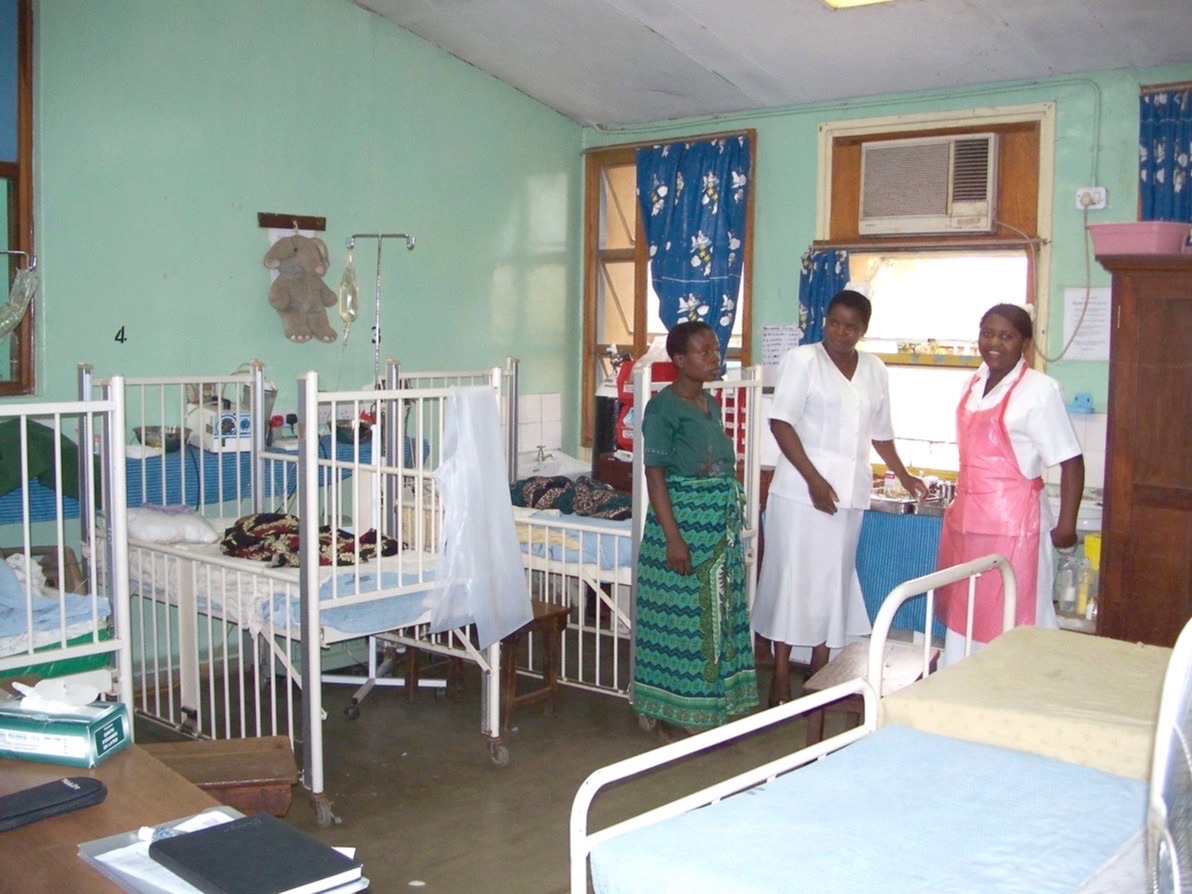
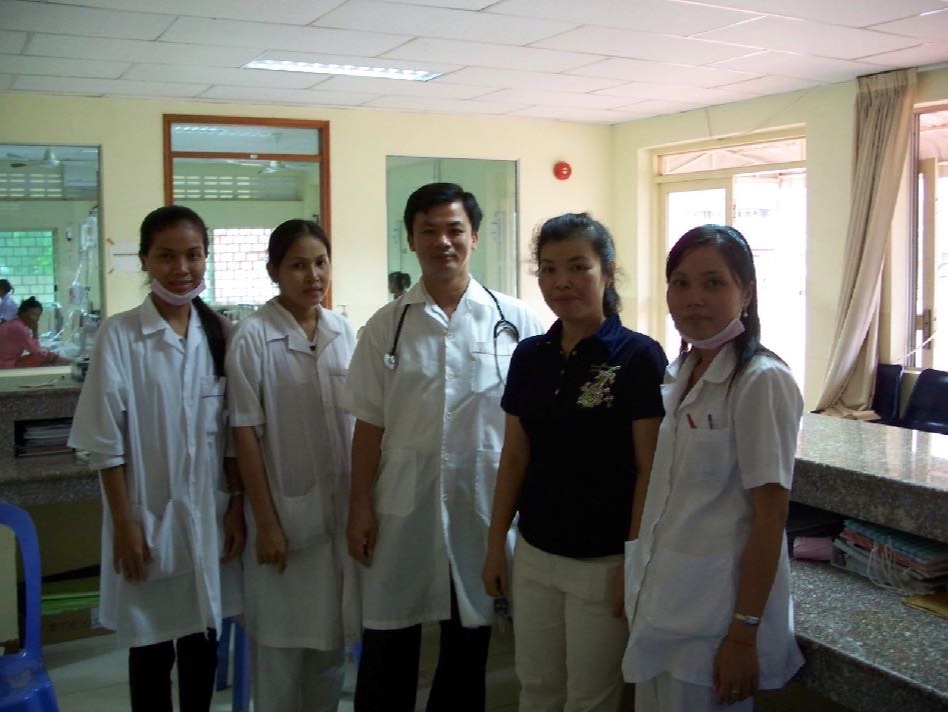
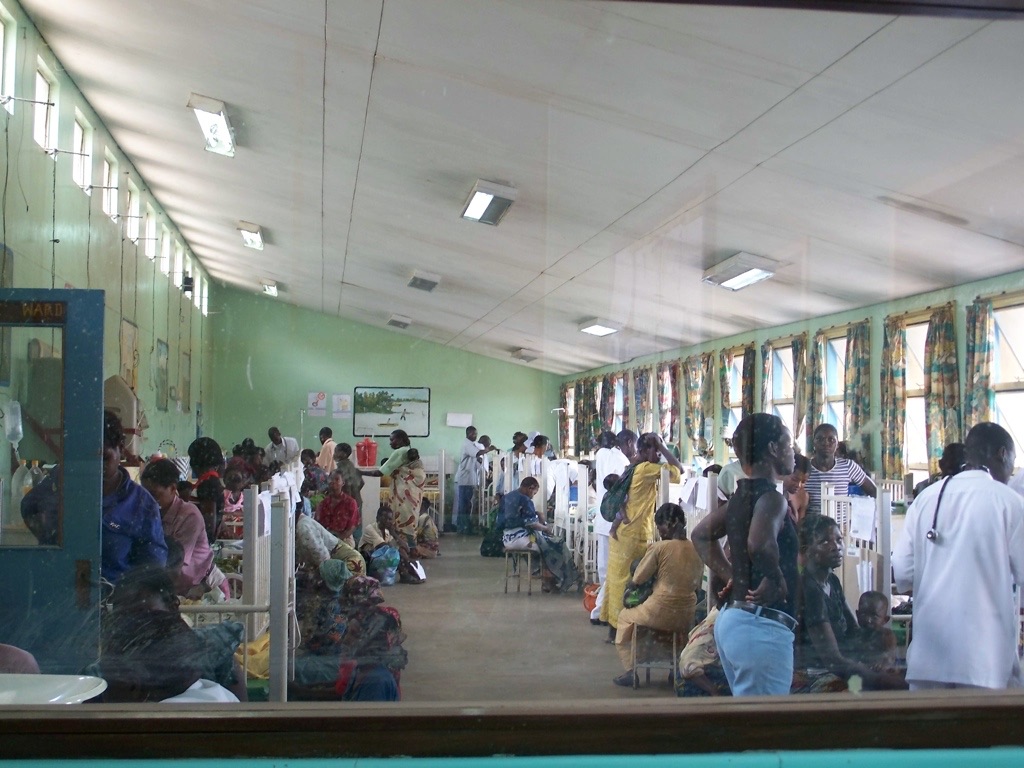
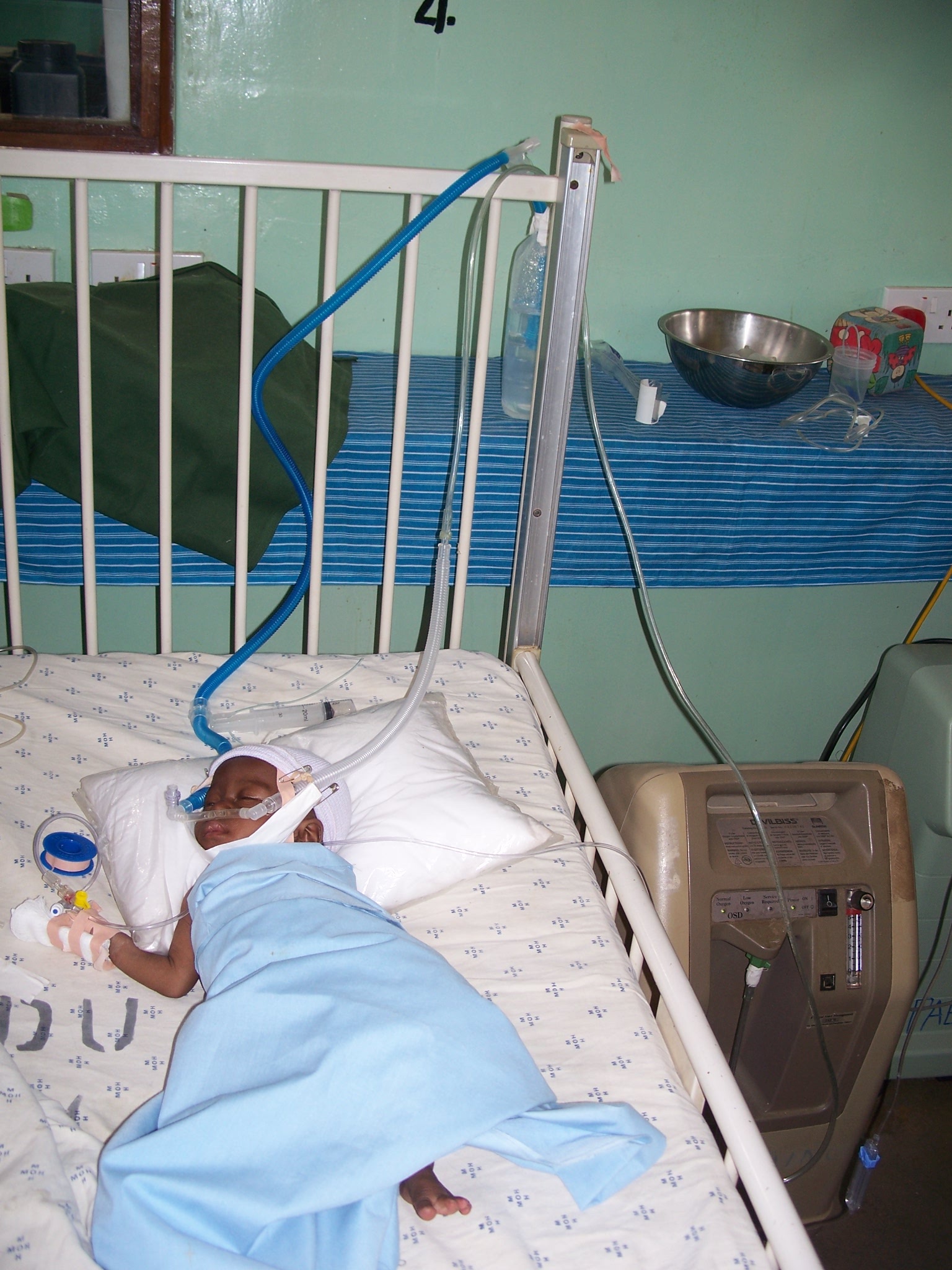
Then he told us about Malawi. In 2008, Dr. Traci Wolbrink was visiting a pediatric AIDS camp there, where children were to receive a lifetime supply of anti-retrovirals. Many walked more than 100 miles with their families to reach the camp, and picked up respiratory infections on the way. The night she arrived, she saw 60 blue-tinged children. By morning, 12 of them had died. The next day, she and Dr. Burns worked by phone to build a bubble CPAP out of readily available materials. Jodi’s onboarding letter puts the result in three words: “Kids stopped dying.”
Then one Sunday, watching the Masters golf tournament, he had an idea. The Masters website had been designed by IBM iX. If IBM could create a putting simulation for Amen Corner at Augusta National, why couldn’t he get an interactive model of a standard ventilator? If his 12-year-old son could play and collaborate on his Xbox with gamers in Munich, why couldn’t he share his knowledge with a team of adult physicians in war-torn Yemen?
“I have only ONE Traci, there is only ONE me. We just aren’t scaleable. If children are dying from pneumonia the night before they’re supposed to receive a lifetime supply of AIDS retrovirals, why can’t we educate caregivers around the world to ventilate a child properly so they can live through the night?”
Dr. Burns, in the room, as Jodi wrote it downThe next day, he got in touch with IBM iX to see if we could work together to solve this problem.
Scale the room itself
The hypothesis: transform the master/apprentice model into an interconnected training model. The apprenticeship model wasn’t the enemy. It’s the most successful training model medicine has. The enemy was its reach.
- Interconnected training. The master models, explaining what they’re doing. The apprentice listens, watches, builds a mental model, then practices while the master coaches the nuance and subtlety of the craft. We’d extend that digitally: asynchronous and collaborative, augmenting traditional learning instead of letting it disappear into the ether of memory.
- Instrumented social networking. In the places this application was going, an internet connection is unreliable at best. It had to be capable and useful offline as well as online, because information and training must make their way to the people who need them most, whether they’re in the desert, jungle, or bush. When online, it synchronizes with the rest of the world’s comments and questions. The only prerequisite should be the ability to plug in a phone cord.
- Intelligent discoveries. Creating wisdom is an act of personalizing knowledge. Game-like interactive simulators let users train muscle memory and reaction times while giving them a chance to play in a safe environment. And one question stayed with us: could simulator usage data act as a canary in a coal mine, showing disease outbreaks before they’re officially reported?
A family affair
I was responsible for the overall effort: the user experience design, the visual design, and the client relationship. And this one was a family affair. My wife and design partner, Jodi Cutler, was the heads to my tails, two very necessary halves of the whole. Her contributions equal mine, and in many ways exceed them.
v1 · PICU Without Walls
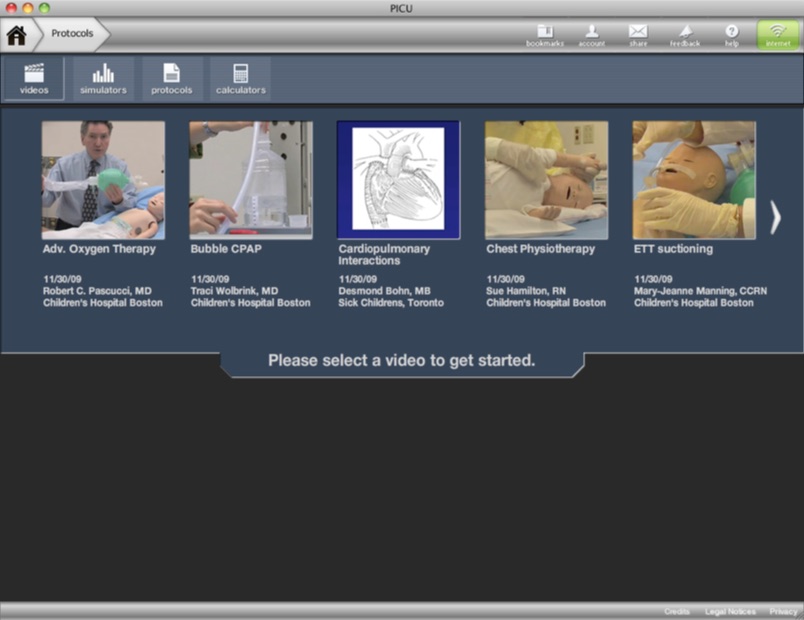
PICU Without Walls was conceived by Dr. Burns, Dr. Traci Wolbrink, Jodi Cutler, and me in 2009. Jodi and I worked with Raphael Arar and Michael Corbridge, two front-end developers from IBM iX, to take the first working version from a scribble on a whiteboard to a fully realized app in ten weeks.
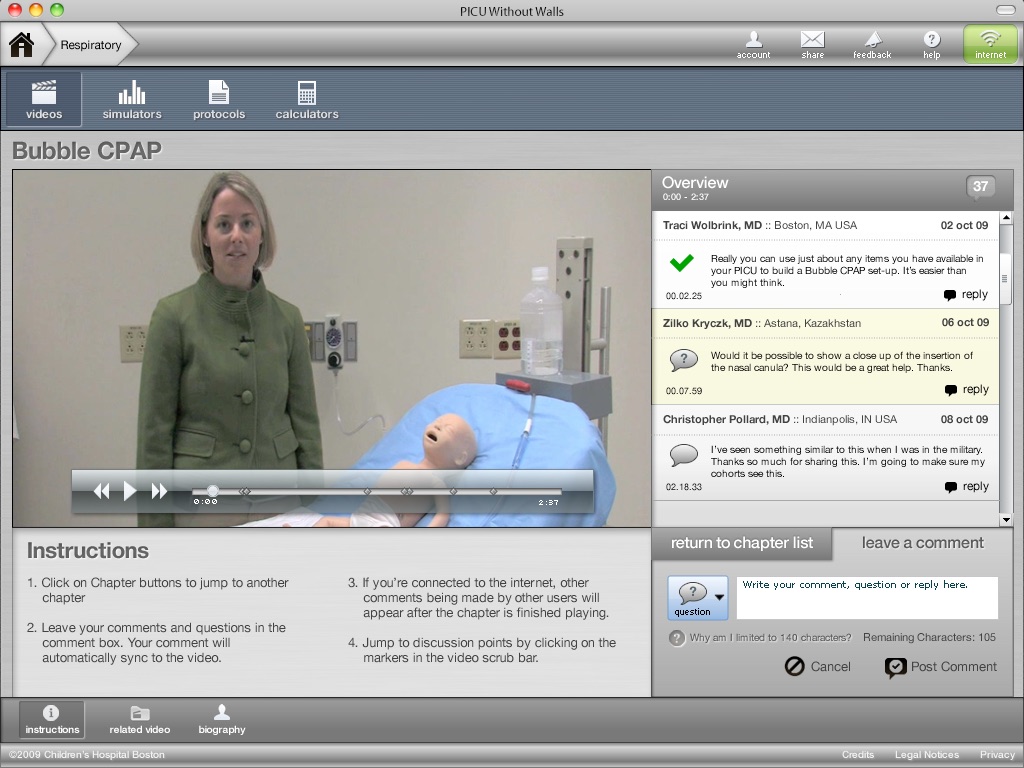
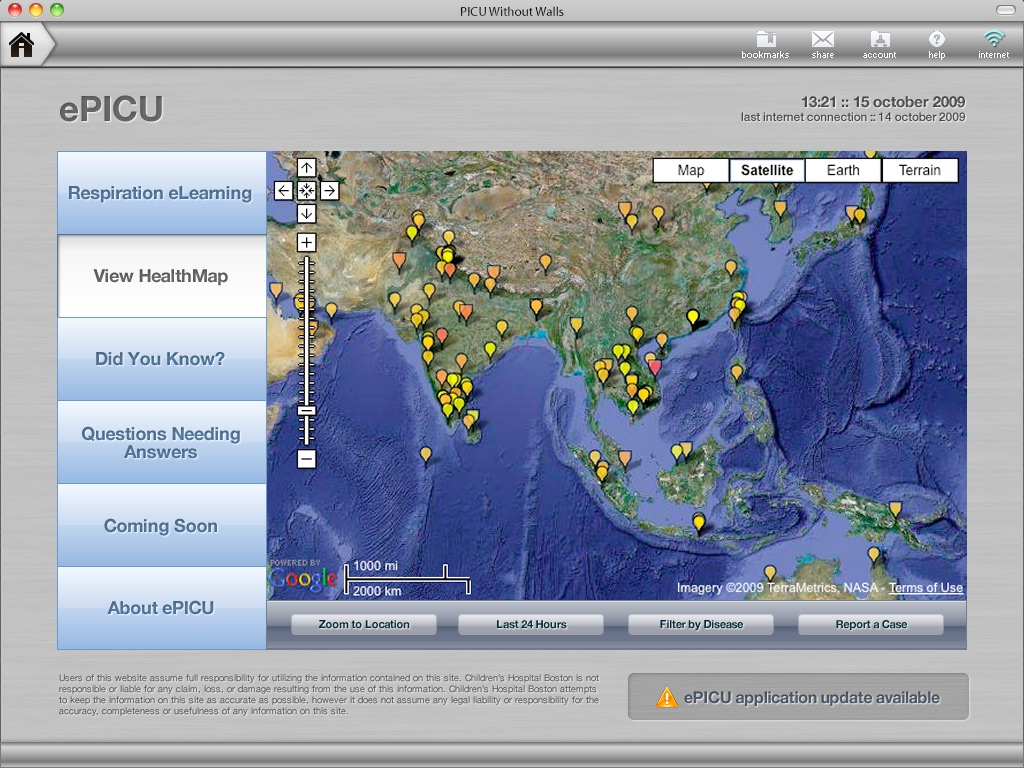
The app worked online and offline with a self-healing internet connection. It served 20 multi-chapter training videos, let learning caregivers ask for help at the moment they needed it, and integrated HealthMap through another BCH group’s partnership with Google. The pilot went out to beta sites on six continents, from Phnom Penh to Taiz, Cape Town to Jerusalem, Santiago to Walter Reed.
v2 · OPENPediatrics
With generous support from IBM executives Doug Hunt, Alistair Rennie, Mike Rhodin, and Erich Clementi, and their belief in the project, IBM and Boston Children’s Hospital formed a formal partnership to make OPENPediatrics a reality.
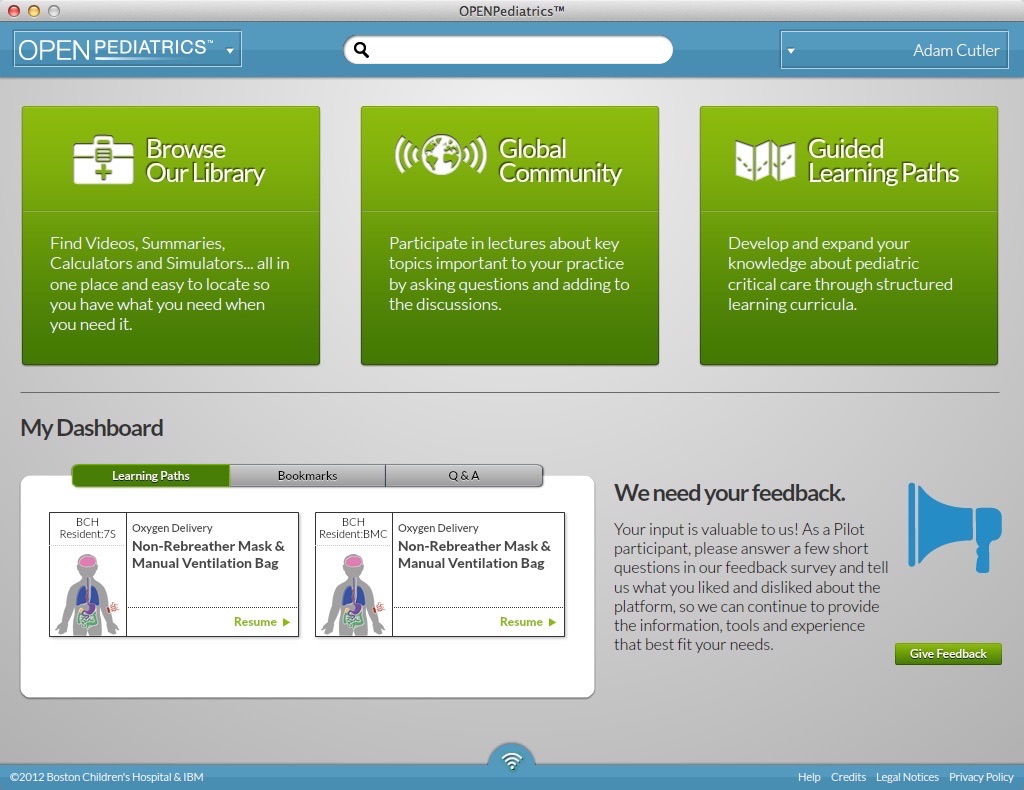
The application was rebuilt from the ground up on the best of what IBM’s software group had to offer, to harden the system and make it enterprise-grade. I worked across SWG to coordinate the integration of transcription, analytics, collaboration, database, access management, and messaging services into a platform we called Amphitheater. Amphitheater could take just about any type of content and enable it for social, interactive collaboration: expert-sourcing the knowledge of leading specialists into a global coaching experience, regardless of time or location.
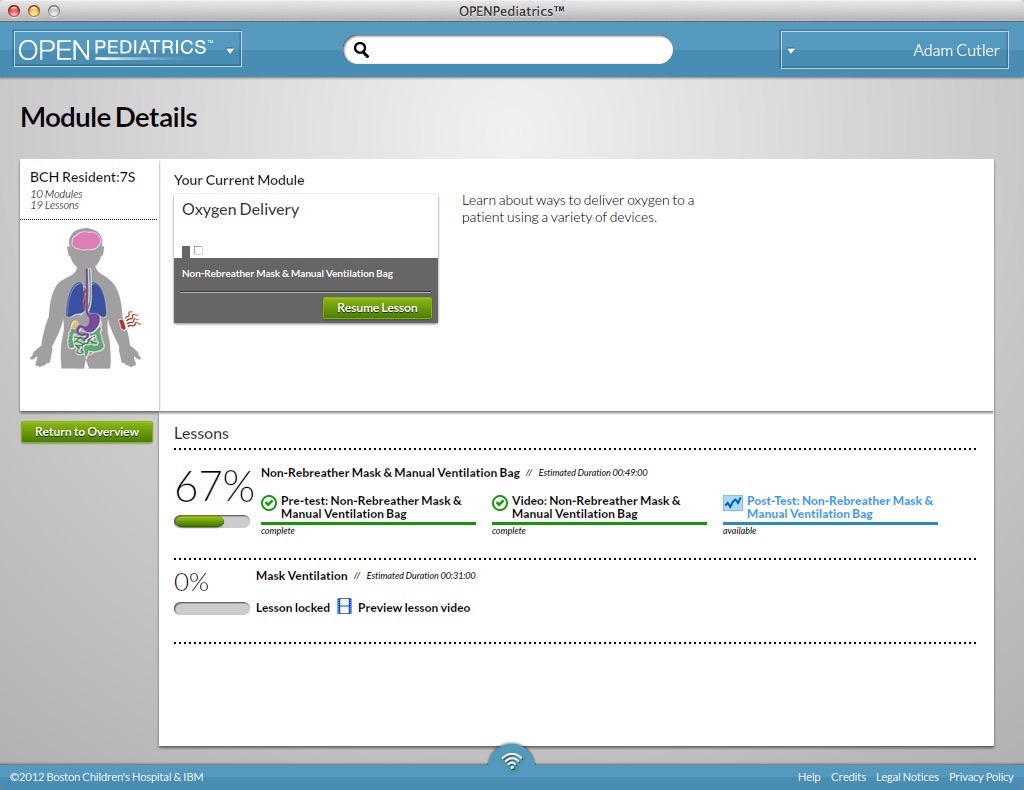
The addition of compliance and certification courseware meant caregivers could use the tool for continuing education credits. Within six months of wide release, OPENPediatrics was in regular use by more than 1,000 pediatric caregivers in 20 countries, and it was directly credited with saving multiple lives through the techniques it delivered. By 2016, that reach had grown to 343 hospitals in 74 countries.
v3 · A product, and a platform
IBM took the Amphitheater platform and hardened it into the product IBM Social Learning. OPENPediatrics grew into a library of over 200 videos and guided learning pathways for physicians, nurses, and other clinicians, with a collaborative network where clinicians worldwide exchange ideas and locally appropriate best practices: public and private groups, threaded discussions, document sharing, individual and group video chats, and the monthly global conversation around World Shared Practice Forum videos.
Designed for the moment of need
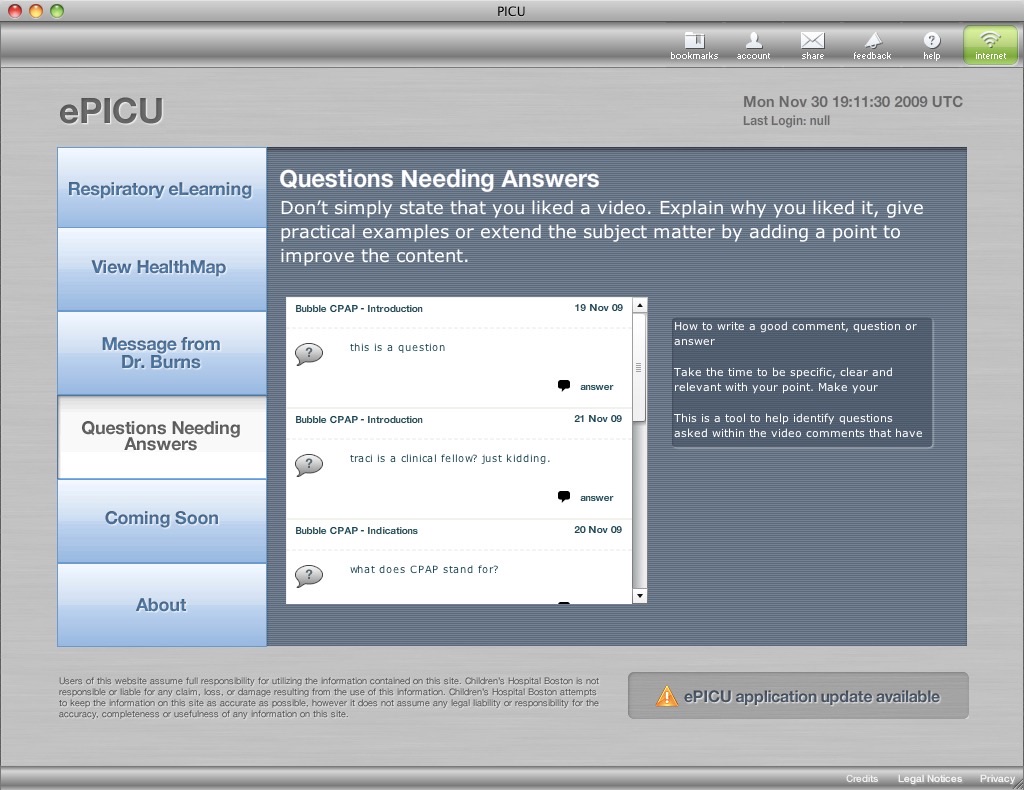
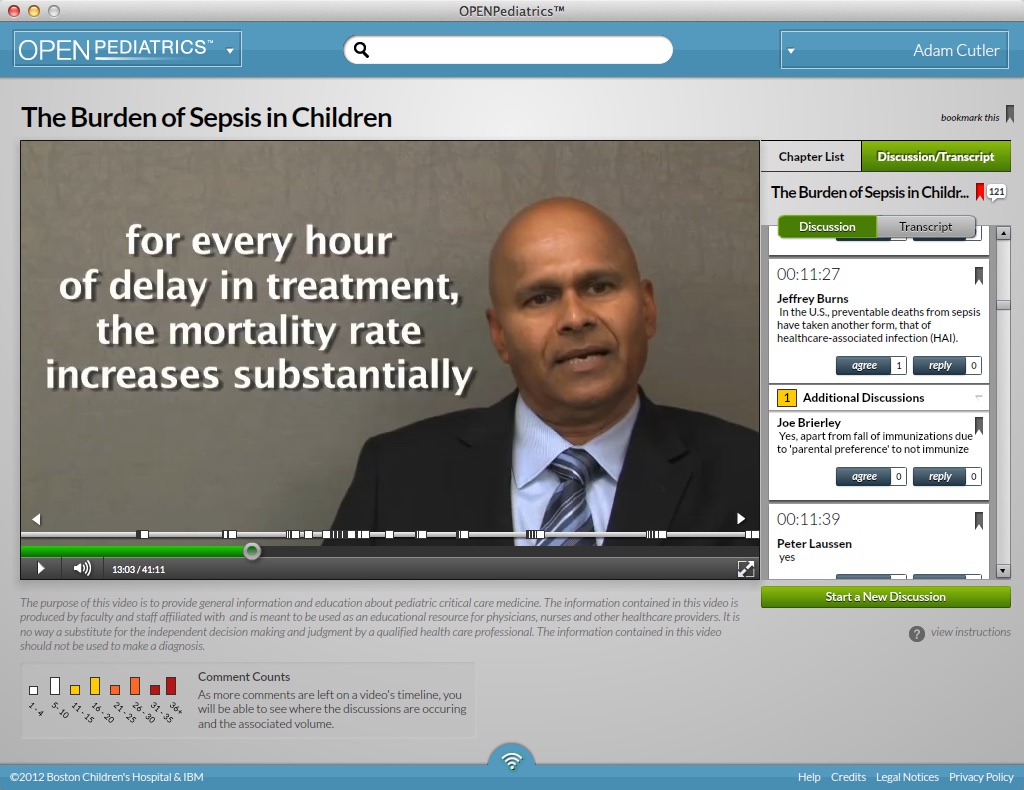
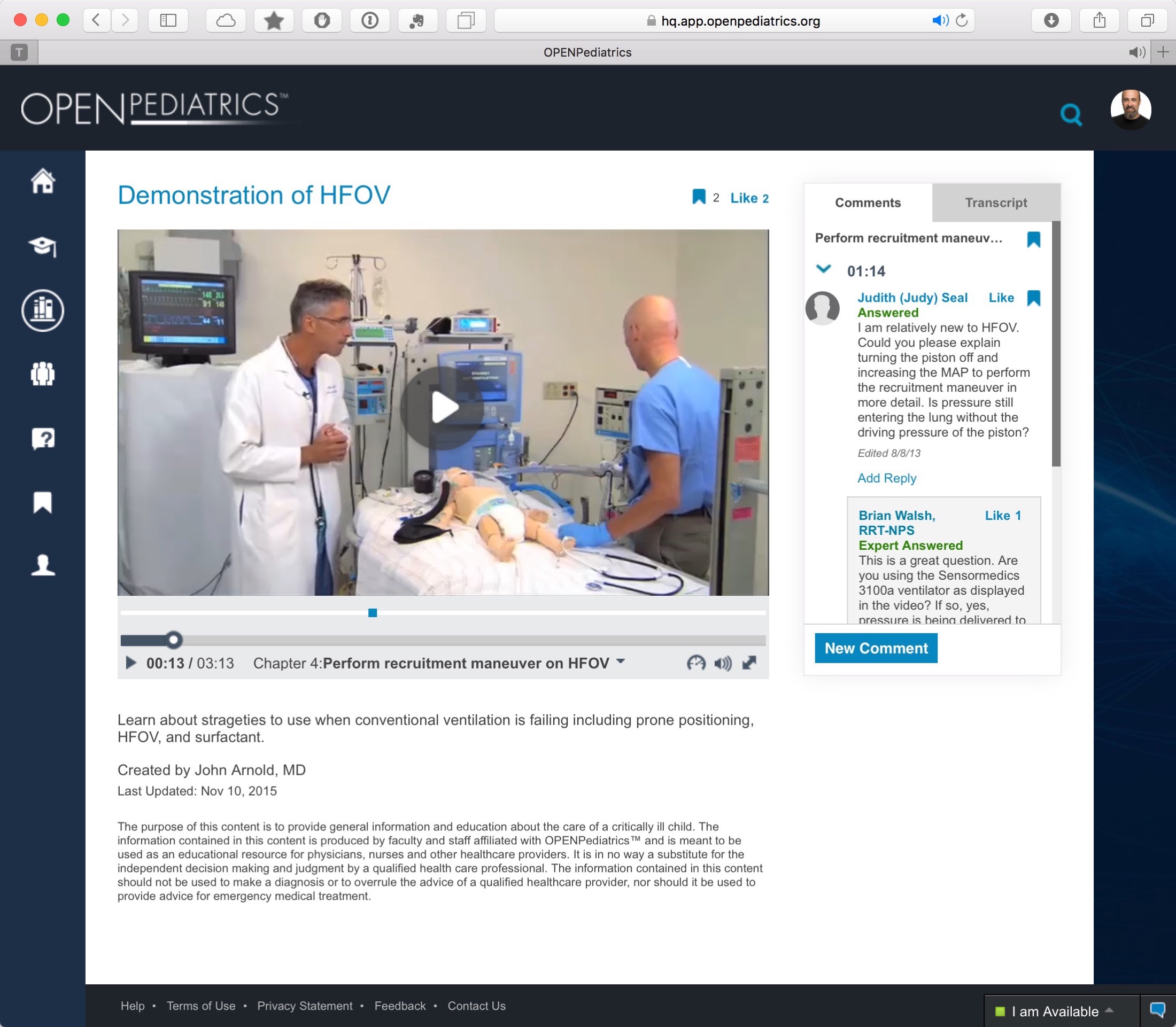
Video commenting is contextualized to an exact second in playback. A caregiver can leave a question at the moment they stopped understanding, and an expert can answer in that exact context. Questions Needing Answers bubbles those questions up, so the busy experts at Boston Children’s can do what they can with the time they have.
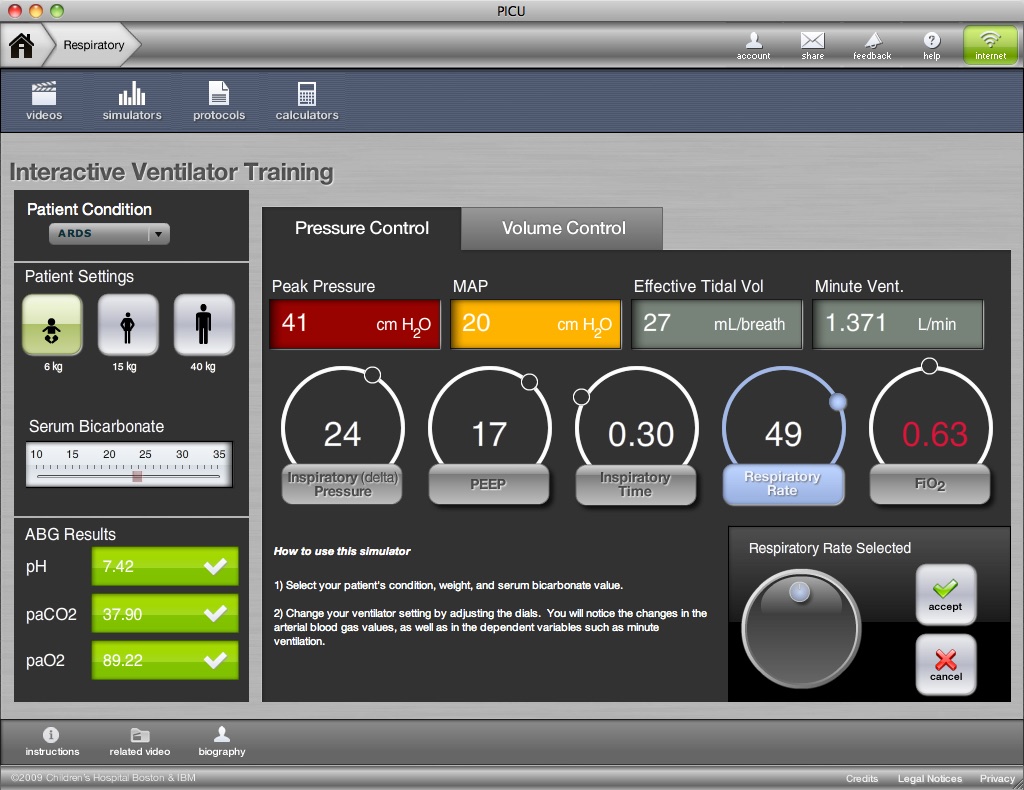
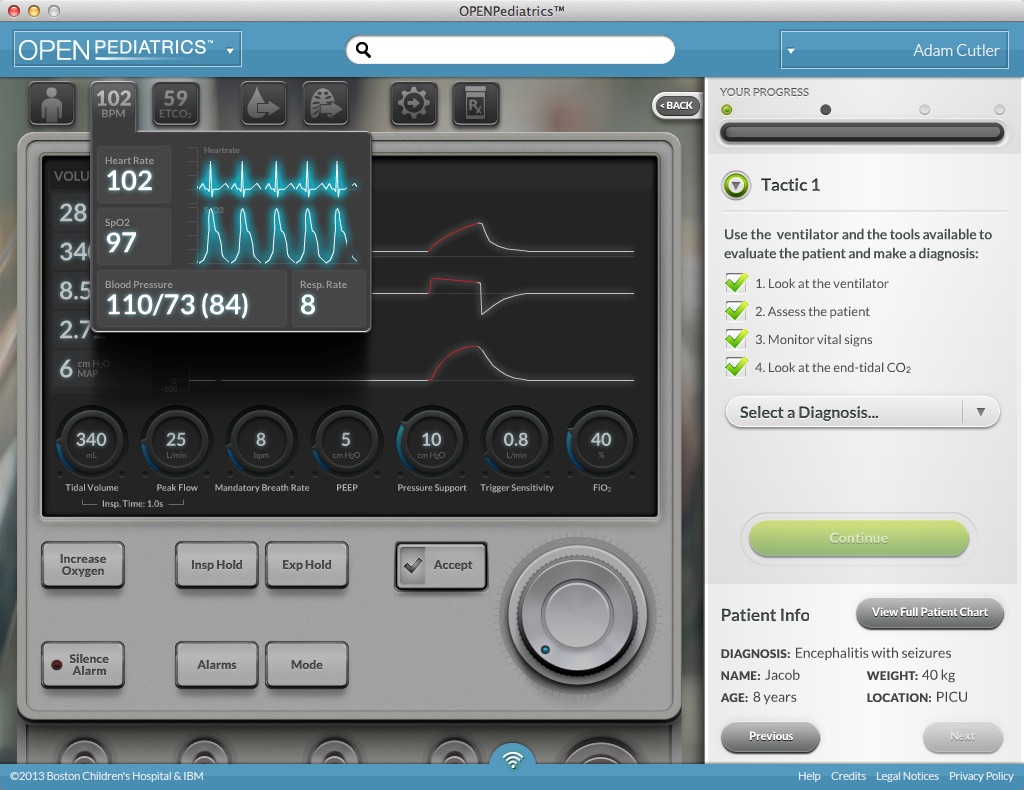
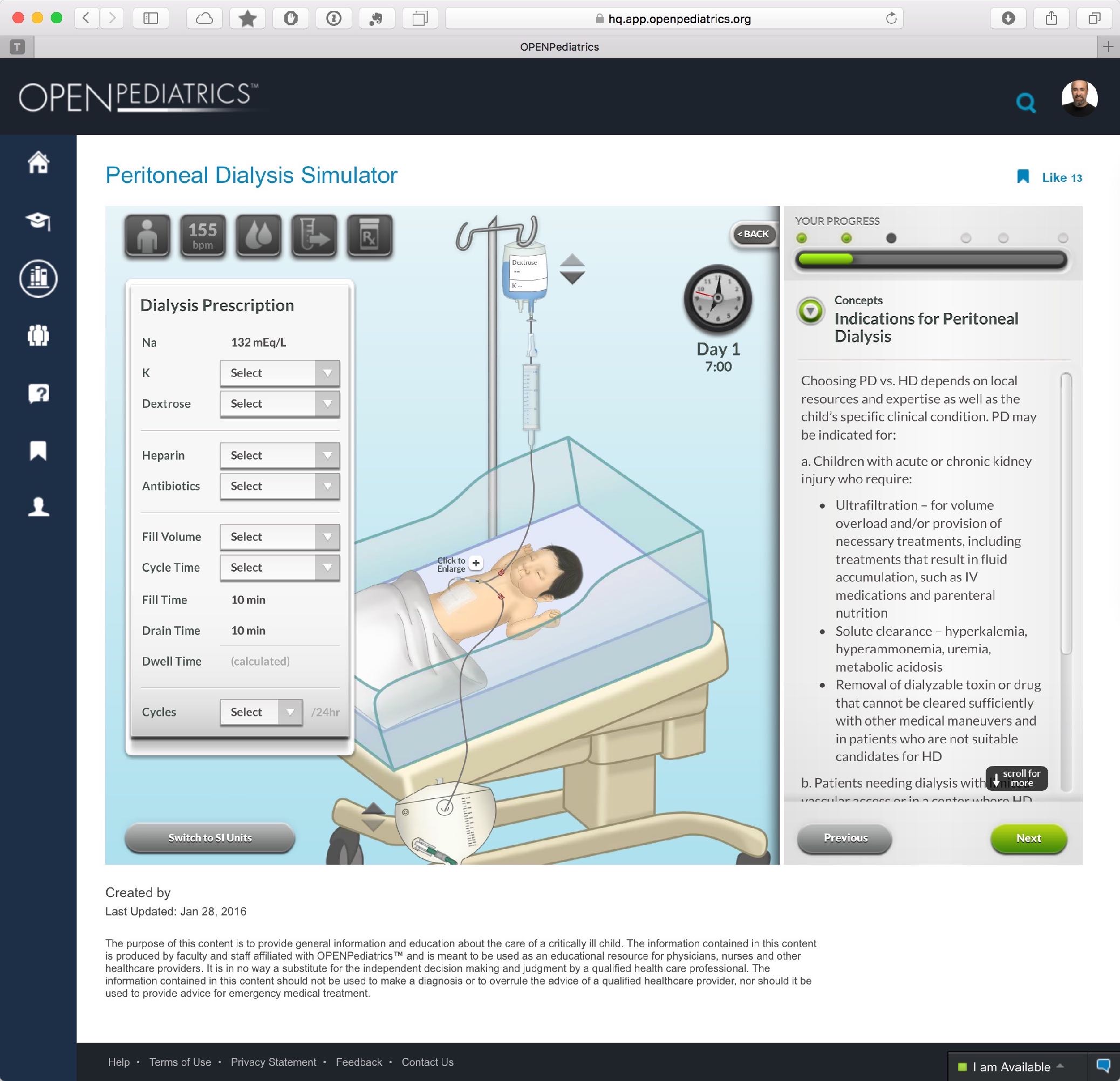
The simulators are medically accurate and teach through practical use. We worked with a Cincinnati pediatrician to get exacting accuracy in the mechanical ventilator simulator, then abstracted the interfaces of many standard ventilators into a game-like experience, so users build a deeper understanding of the core concepts of proper pediatric ventilation instead of memorizing one machine’s knobs.
Game-like is a deliberate choice of words. Play is how you practice when the cost of being wrong has to stay at zero. In a pediatric ICU, that isn’t a luxury.
3,000+ hospitals. 145 countries.
OPENPediatrics is used by thousands of clinicians at 3,000+ hospitals in 145 countries on six continents. It’s been directly credited with saving children’s lives through the techniques it delivered.
When I wrote the acknowledgments for this work, I told the team: you made an idea a reality that saved children’s lives. I’ve never written a truer sentence about a project.
Raphael Arar and Michael Corbridge did the impossible and built the original prototype in ten weeks. Cliff Hayden, Ryan Ma, J. Johnson, Liz Baird, Torbjorn Johansson, Robert Johnson: I’m forever in your debt. Mike Rhodin, Erich Clementi, Alistair Rennie, and Ronnie Maffa believed when others had their doubts. And Doug Hunt went to hell and back for this effort. He’s the reason it had a chance to flourish.
What changed
The master and the apprentice still meet. The room just got bigger. A nurse in Malawi can inherit the nuance of a Boston specialist’s craft without a plane ticket, a visa, or an invitation. The dialog no longer disappears into the ether. It compounds. It compounded after we stopped working on the app, too: in April 2020, OPENPediatrics released an updated ventilator simulator for COVID-19 care, and clinicians opened it more than 33,000 times within days.
What still matters
This is the work I measure everything else against. The methods, the language, the studio: I care about them because they make work like this possible, and faster.
And the canary-in-a-coal-mine question from our hypothesis is still worth asking: could simulator usage data surface disease outbreaks before they’re officially reported? Learning tools doubling as early warning systems wasn’t science fiction. We were just early.
Technology keeps getting better at moving artifacts. The thing worth designing is still the same: the moment where one person’s hard-won judgment becomes another’s. Get that right, and the artifact saves lives. Get it wrong, and it’s just content.